
Live-in Care

Live-in Care

Why Elder Care at Home Matters

There comes a stage when occasional visits are no longer enough. Mobility slows, memory fluctuates, medication routines become complex, and safety risks increase. But needing more support does not mean leaving home. 

Live-in care ensures continuous, structured assistance while preserving familiarity, autonomy, and emotional stability. Instead of adapting to an institution, care adapts to the individual. The result is safer living, fewer disruptions, and sustained dignity. 

At Guardian Crest Care, live-in support is not passive supervision. It is a clinically guided, full- time care model designed to maintain independence while reducing medical risk.

What Makes Our Live-In Care Different

We do not place a caregiver and step back. We build a monitored, professionally supervised environment.

24/7 Structured Support

A dedicated caregiver resides in the home, ensuring immediate assistance with mobility, hygiene, medication reminders, meals, and nighttime safety.

Clinical Integration

Registered nurses conduct structured assessments and periodic reviews. Doctors oversee care progress where required, and physiotherapists implement mobility-preserving routines. This prevents gradual decline that families often miss.

Risk Prevention, Not Reaction

Falls, medication errors, dehydration, and nutritional decline are common triggers for hospital admissions. Our live-in model focuses on early identification and correction.

Professional Oversight

Caregivers operate under clinical guidance. This ensures that even routine daily assistance aligns with established healthcare standards.

Digital Transparency

Families receive structured updates and visibility into care delivery. There are no gaps in communication and no uncertainty about what is happening at home.
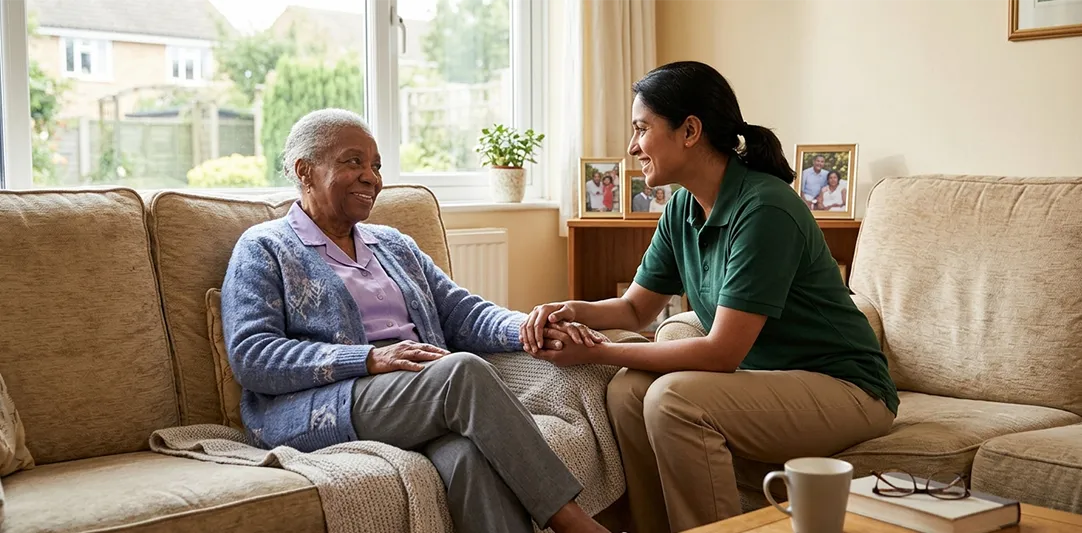
live-in care

When Live-In Care Becomes the Right Decision

Waiting for a crisis is costly — medically and emotionally. Consider live-in care if you observe:

  • Increasing falls or unsteady mobility
  • Confusion with medications or time orientation
  • Wandering or disrupted sleep patterns
  • Decline in hygiene or nutrition
  • Frequent hospital visits
  • Exhaustion among family caregivers

If daily supervision is becoming necessary, intermittent visits are no longer sufficient.

The Strategic Advantage of Live-In Care

Institutional care removes independence to create safety.

Our model creates safety to preserve independence.

Live-in care allows seniors to remain in control of their environment, routines, and lifestyle — while being protected by a structured professional framework.

At Guardian Crest Care, live-in care is not about replacing family. It is about reinforcing support systems with clinical intelligence and consistent presence.

If safety is becoming unpredictable, the solution is not relocation. It is structured, professional continuity at home.
Scroll to Top

Live-in Care

Live-in Care

Why Elder Care at Home Matters

There comes a stage when occasional visits are no longer enough. Mobility slows, memory fluctuates, medication routines become complex, and safety risks increase. But needing more support does not mean leaving home. 

Live-in care ensures continuous, structured assistance while preserving familiarity, autonomy, and emotional stability. Instead of adapting to an institution, care adapts to the individual. The result is safer living, fewer disruptions, and sustained dignity. 

At Guardian Crest Care, live-in support is not passive supervision. It is a clinically guided, full- time care model designed to maintain independence while reducing medical risk.

What Makes Our Live-In Care Different

We do not place a caregiver and step back. We build a monitored, professionally supervised environment.

24/7 Structured Support

A dedicated caregiver resides in the home, ensuring immediate assistance with mobility, hygiene, medication reminders, meals, and nighttime safety.

Clinical Integration

Registered nurses conduct structured assessments and periodic reviews. Doctors oversee care progress where required, and physiotherapists implement mobility-preserving routines. This prevents gradual decline that families often miss.

Risk Prevention, Not Reaction

Falls, medication errors, dehydration, and nutritional decline are common triggers for hospital admissions. Our live-in model focuses on early identification and correction.

Professional Oversight

Caregivers operate under clinical guidance. This ensures that even routine daily assistance aligns with established healthcare standards.

Digital Transparency

Families receive structured updates and visibility into care delivery. There are no gaps in communication and no uncertainty about what is happening at home.

live-in care

When Live-In Care Becomes the Right Decision

Waiting for a crisis is costly — medically and emotionally. Consider live-in care if you observe:

  • Increasing falls or unsteady mobility
  • Confusion with medications or time orientation
  • Wandering or disrupted sleep patterns
  • Decline in hygiene or nutrition
  • Frequent hospital visits
  • Exhaustion among family caregivers

If daily supervision is becoming necessary, intermittent visits are no longer sufficient.

The Strategic Advantage of Live-In Care

Institutional care removes independence to create safety.

Our model creates safety to preserve independence.

Live-in care allows seniors to remain in control of their environment, routines, and lifestyle — while being protected by a structured professional framework.

At Guardian Crest Care, live-in care is not about replacing family. It is about reinforcing support systems with clinical intelligence and consistent presence.

If safety is becoming unpredictable, the solution is not relocation. It is structured, professional continuity at home.